
Transform Your Home into a Gym with Leading Fitness Apps
Transforming living rooms into personal training spaces has never been more accessible, as digital platforms offer diverse routines suited for any fitness journey. From adaptive programs to expert guidance, lively music, and community support, users can craft their own effective exercise regimens without the need for complex machinery.
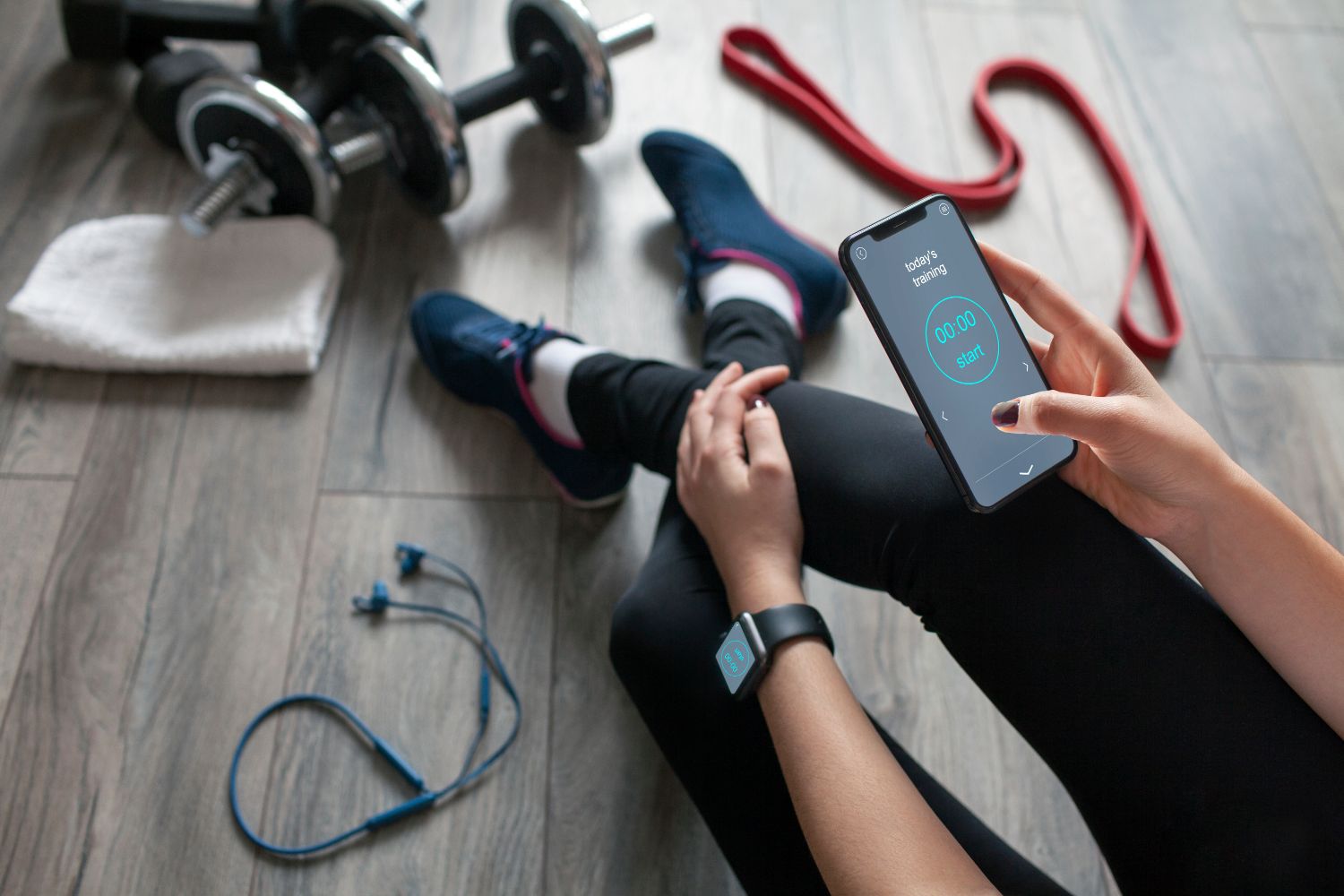
Exploring Fitness Apps for Home Workouts
With the rise of mobile technology, fitness apps have become indispensable tools for those looking to enhance their exercise routines at home. These apps offer personalized workout plans, incorporating various features that cater to different fitness levels and preferences.
AI and Personalized Training
Artificial intelligence has revolutionized the functionality of fitness apps, allowing for tailored workout experiences that adapt to individual needs. AI-driven apps analyze user data, such as physical capabilities and fitness goals, to develop customized exercise plans. For instance, a user interested in bodyweight training can find apps that adjust routines based on their performance, optimizing progress and ensuring correct form. This high level of personalization makes fitness apps accessible to anyone, regardless of their starting point or objectives.
Several apps also provide real-time feedback, using sensors to monitor movement and suggest improvements. This technological advancement means users can practice exercises safely at home without compromising on quality or effectiveness. By delivering a personal training experience directly to living rooms, these apps make fitness more inclusive and convenient.
Integrating Music into Workouts
Music plays a critical role in enhancing workout experiences, often serving as a key motivator. Many fitness apps integrate music streaming services, allowing users to listen to energetic tracks that boost their mood and performance. The rhythm and tempo of the music can align with workout intensity, making each session more immersive and enjoyable.
Crafting the perfect workout playlist requires selecting songs that resonate personally or match the workout's intensity. Upbeat tracks can enhance cardiovascular activities, while soothing melodies can be ideal for yoga or cooldown sessions. Fitness apps with built-in music features help users maintain enthusiasm and focus, turning what might otherwise be a mundane routine into an engaging activity.
Simplifying Workout Monitoring
Fitness apps offer robust tracking features that enable users to monitor their progress over time. Through detailed metrics and visual representations of data, users can track their improvements and stay motivated on their fitness journey.
Real-Time Feedback and Progress Tracking
Progress tracking is crucial for anyone serious about their fitness journey. Fitness apps provide real-time data on various metrics such as calories burned, steps taken, and workout duration. For example, apps like the "Nike Training Club" provide guided workouts with no equipment needed, helping users track their fitness progress easily. These insights allow users to make informed decisions about their exercise routines and adjust them as necessary to meet their goals.
Visualizing achievements through charts or graphs can inspire users to push themselves further. By seeing tangible improvements, motivation levels soar, encouraging consistency and effort. Tracking features often extend beyond physical activity, with some apps offering nutritional logs and sleep monitoring for a holistic approach to wellness.
Community Support and Motivation
The social aspect of fitness apps cannot be understated. Many platforms offer community features that allow users to connect with others, share progress, and participate in group challenges. This fosters a sense of belonging and accountability, which can be essential for maintaining long-term motivation.
Users can join forums or groups within apps to discuss challenges, seek advice, or simply find encouragement from fellow fitness enthusiasts. Some apps, such as "Strava," emphasize social sharing, letting users post achievements and engage with a community, turning fitness into a shared experience rather than a solitary endeavor.
Choosing the Right Fitness App
With numerous fitness apps available, it can be challenging to decide which one suits personal preferences and goals. Evaluating key features, user interfaces, and costs are vital steps in finding the perfect match.
Key Features to Consider
Before settling on a fitness app, examining its core offerings and how they align with personal fitness objectives is essential. The table below provides an overview of popular fitness apps and their standout features, helping users make informed decisions:
| Fitness App Name | Key Features | Price | User Ratings |
|---|---|---|---|
| MyFitnessPal | Calorie Counter, Food Log | Free | 4.5/5 |
| Nike Training Club | Guided Workouts, No Equipment | Free | 4.7/5 |
| Strava | Activity Tracking, Social Sharing | Free | 4.8/5 |
| 7 Minute Workout | Quick Workouts, Timer | Free | 4.6/5 |
| Fitbit App | Heart Rate Monitor, Sleep Tracking | Free | 4.4/5 |
Data Source: App Store Reviews and Ratings, compiled in March 2025.
Each app offers unique features that may cater to different needs, whether it's detailed nutritional monitoring with "MyFitnessPal" or engaging in social-centric challenges with "Strava." Free options also make these apps accessible to everyone exploring fitness improvements at home.
Evaluating User Interfaces and Cost
Another significant consideration is the app's user interface and its pricing model. Intuitive design and user-friendliness can greatly enhance user experience, ensuring that navigating workouts and tracking progress is straightforward. Many apps offer free versions with essential features, alongside premium options that unlock advanced functionalities.
Assessing the cost-to-benefit ratio of premium subscriptions is important, as it varies among users based on individual needs and budgets. Trying app demos or reading user reviews can also provide insights into the app's efficacy and user satisfaction.
Enhancing Wellness Beyond Physical Fitness
While fitness apps primarily focus on exercise, many extend their features to promote overall well-being, incorporating mindfulness exercises, nutritional guidance, and sleep monitoring.
Mindfulness Practices and Holistic Health
Integrating mindfulness practices with physical workouts encourages a more comprehensive approach to health and wellness. Apps like the "Fitbit" offer sleep tracking and mindfulness exercises, striving for a balanced lifestyle.
Mindfulness exercises help users manage stress and enhance mental health, complementing physical routines for a well-rounded fitness experience. Combining these elements ensures a harmonious balance between body and mind, crucial for sustainable health improvements.
Nutritional Tracking and Healthy Eating
Incorporating nutritional guidance alongside physical activity is another vital aspect of many fitness apps. Calorie counters and food logs empower users to make informed dietary decisions, aligning their eating habits with fitness goals. "MyFitnessPal" excels in this area, providing extensive food databases and personalized nutritional insights.
Maintaining a healthy diet supports physical activity by fueling workouts and aiding recovery. By tracking dietary intake and understanding nutritional needs, users can work towards holistic health goals with confidence and knowledge.
In conclusion, fitness apps have revolutionized home workouts by providing personalized plans, tracking progress, and inspiring users through community and music integration. By selecting the app that best fits individual needs, anyone can transform their living space into a thriving personal gym while pursuing a balanced and healthier lifestyle.
Q&A
-
What are some of the best apps for training at home?
Some of the best apps for training at home include Nike Training Club, MyFitnessPal, and Peloton. These apps offer a wide range of workout routines, from strength training to yoga, and provide personalized plans to suit different fitness levels. Nike Training Club, for instance, offers over 185 free workouts and expert tips, making it a versatile choice for home fitness.
-
Are there fitness apps that are free and still effective?
Yes, there are several fitness apps that are free and effective. For example, the Nike Training Club app offers a variety of free workouts that cover strength, endurance, and mobility. Another popular free app is MyFitnessPal, which helps track your diet and exercise to ensure you meet your fitness goals. These apps provide high-quality resources without the need for a subscription.
-
What are some benefits of using fitness apps compared to traditional exercise machines?
Fitness apps offer several benefits over traditional exercise machines. They provide flexibility in terms of time and location, allowing users to work out anywhere. Apps often include a variety of workouts and can be tailored to individual goals, unlike machines that are usually designed for specific exercises. Additionally, many apps offer community support and motivational challenges to keep users engaged.
-
How can exercise machines complement fitness apps in a home workout routine?
Exercise machines can complement fitness apps by providing targeted resistance or cardio training that may be difficult to achieve with bodyweight exercises alone. For example, a treadmill or stationary bike can enhance cardio workouts, while a set of dumbbells or a resistance band can add intensity to strength training exercises guided by an app. Together, they offer a balanced and comprehensive fitness regimen.
-
What are some considerations when choosing fitness apps free of charge?
When choosing free fitness apps, consider the variety and quality of workouts offered, user interface, and any additional features like community support or progress tracking. It is also important to check user reviews and ratings to ensure the app is reliable and effective. Compatibility with your device and any in-app purchase requirements should also be taken into account to maximize your fitness experience.
References: